01
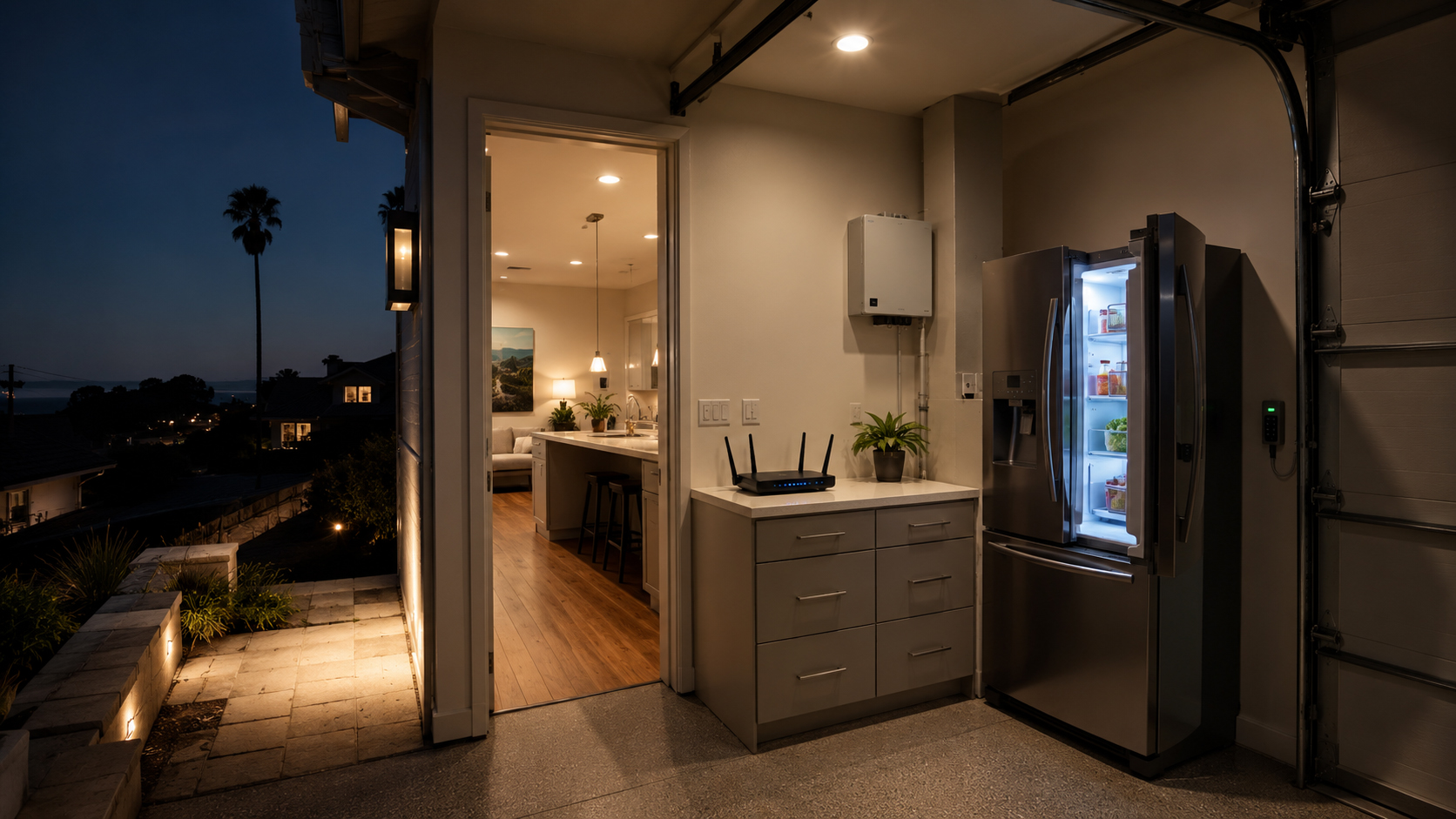
Must stay alive
- Refrigerator and freezer
- Medical equipment
- Internet and phone charging
- Emergency lighting
Palos Verdes Peninsula Solar + Battery Backup
The hill moves. The fog rolls in. The grid gets expensive. The power goes out. The house still has to work.
The Peninsula Is the Plot
This is not flat-roof commodity solar. This is ocean air, steep lots, Spanish tile, concrete tile, custom roofs, canyon roads, view corridors, older electrical services, homeowners associations, fire-season tension, SCE rate pressure, and land that has to be respected.
PVP Solar starts with the site: the roof, the service panel, the conduit route, the battery location, the critical loads, the utility rules, and the emergency reality.
The equipment comes later. The design comes first.
Portuguese Bend Changed the Question
Portuguese Bend turned solar from a savings conversation into a resilience conversation. Moving land, cracked roads, strained utilities, access problems, and infrastructure risk forced a harder question.
What still works when the utility stops?
Keep the House Alive
A battery system is only as smart as the load plan behind it. Decide what matters. Then build the solar, inverter, battery, and critical-load panel around that list.
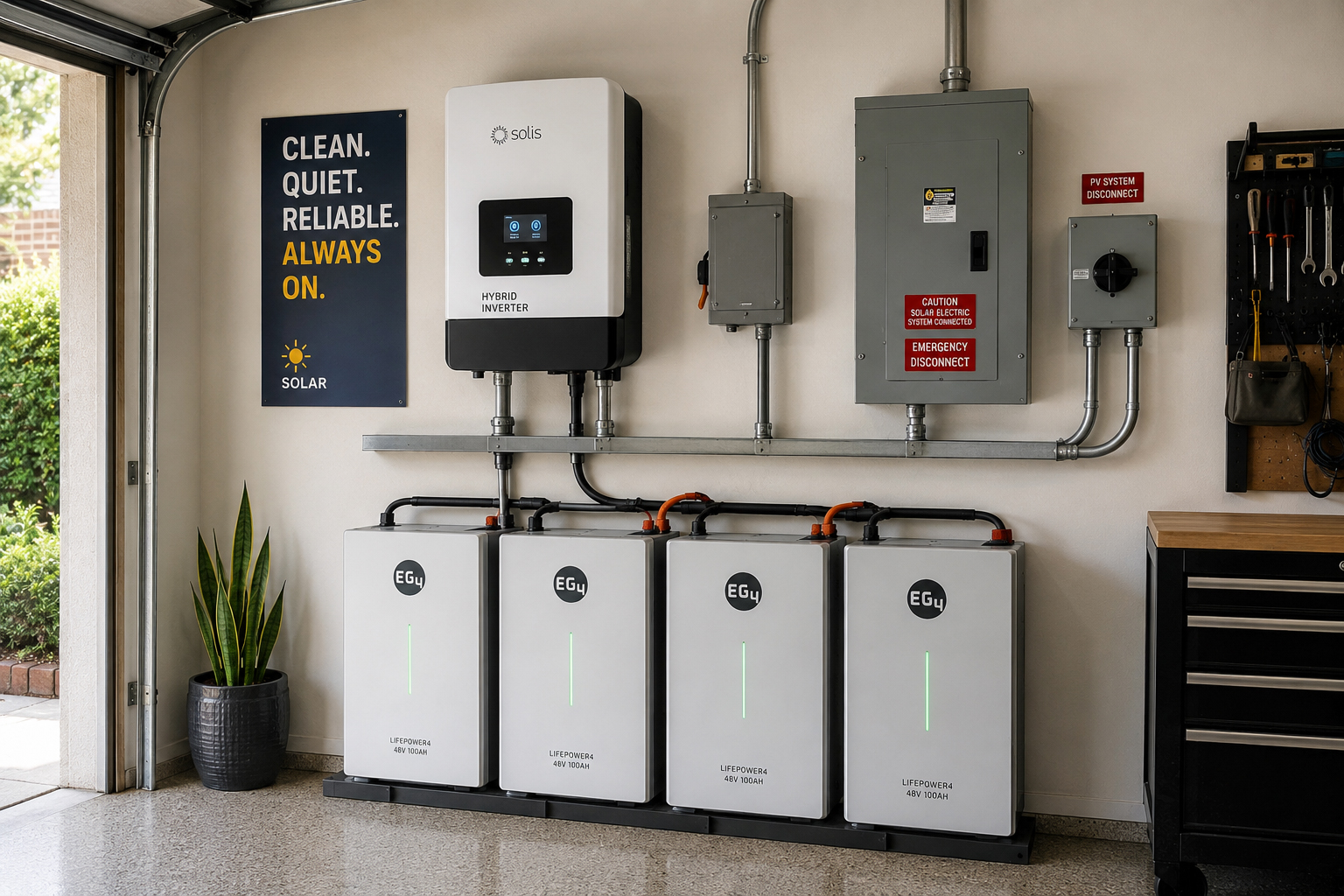
The Equipment Wall
Produces daytime energy from carefully placed roof or ground-mounted panels.
Coordinates solar, battery, grid, and selected backup circuits.
Stores energy for evening use, peak-rate reduction, and outage events.
Feeds the circuits that matter most when the grid fails.
Coastal Solar Reality
Palos Verdes has useful Southern California sun, but it is not desert-simple. Marine layer mornings, roof direction, winter production, shade, corrosion exposure, tile roof work, and evening energy use all matter.
ABC Solar Incorporated
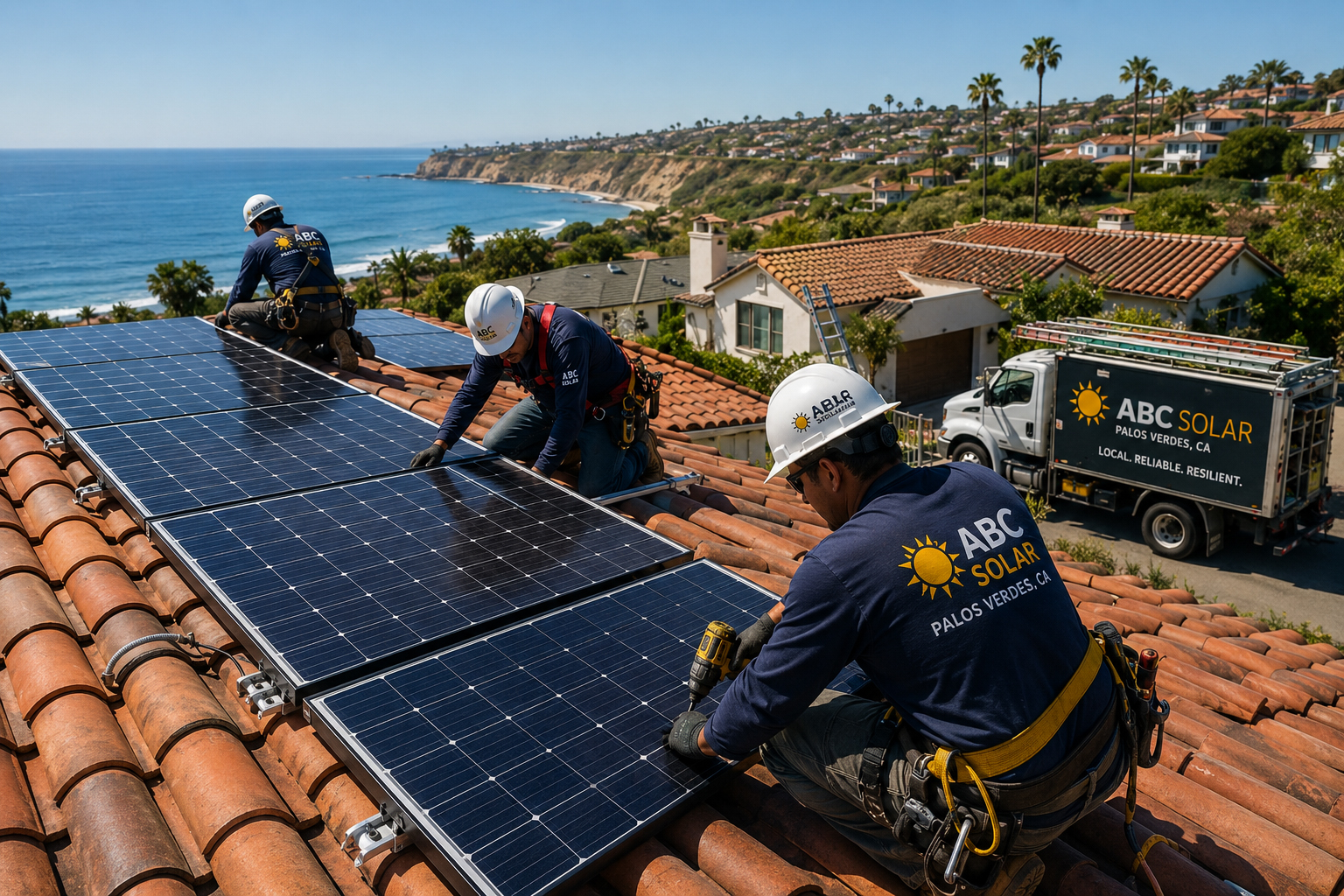
ABC Solar Incorporated was established in 2000 and incorporated in 2001. PVP Solar is the Peninsula-focused expression of that experience.
The work starts with roof type, roof condition, electrical service, conduit route, battery location, utility rules, city inspection, and the loads that must survive an outage.
Solar is construction. Battery backup is electrical infrastructure. On the Palos Verdes Peninsula, both must be done with respect for the house, the land, and the people who live with the system after the truck leaves.
Before the Next Outage
PVP Solar is built around one clear truth: Palos Verdes homes need practical energy resilience. Solar battery backup turns blackout anxiety into a design plan.